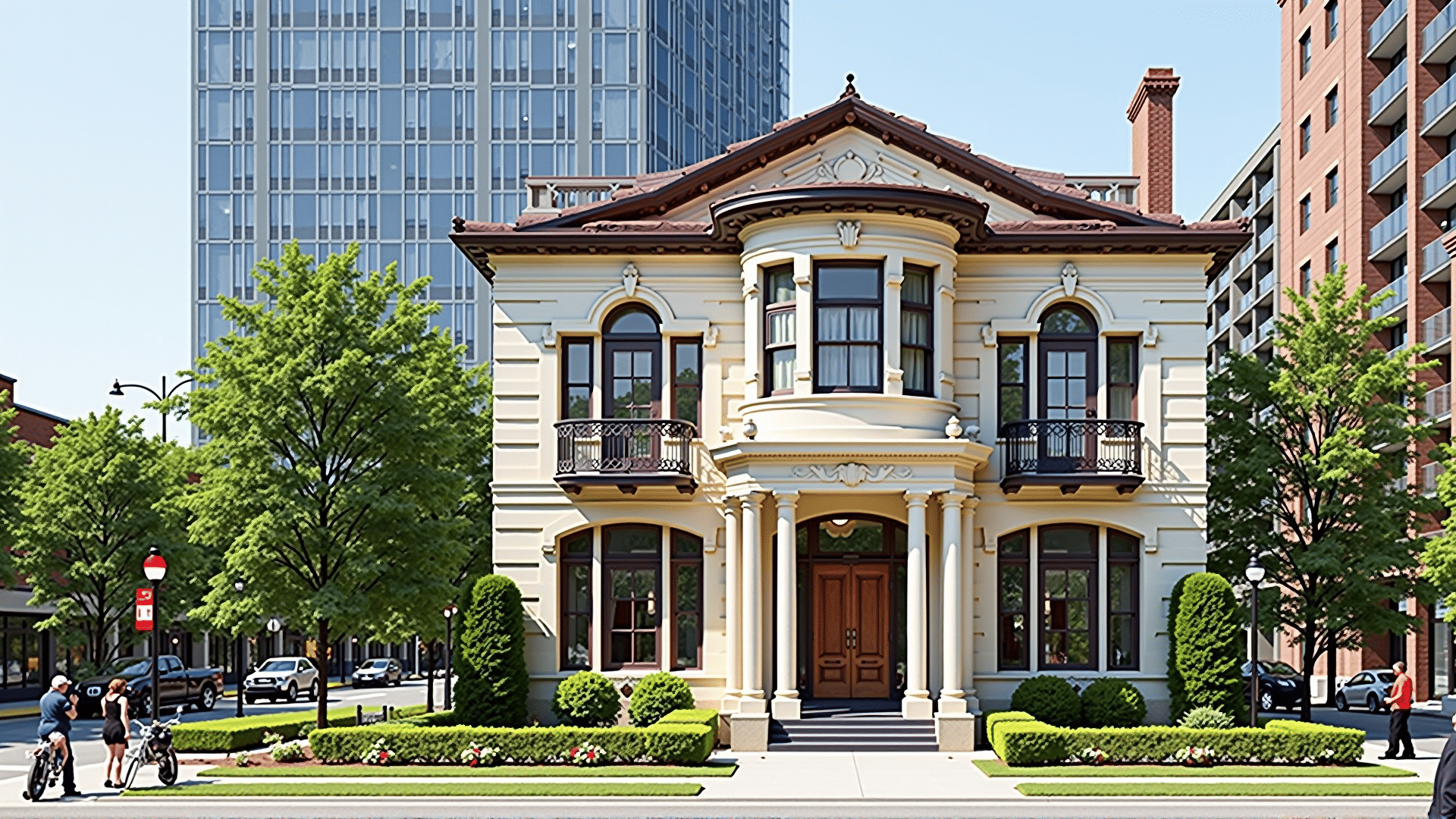
In an era where modernization often overshadows the past, preserving historical architecture has never been more crucial. Historic renovations offer a harmonious blend of old-world charm and contemporary functionality, ensuring that the architectural wonders of yesteryears continue to tell their stories for generations to come. These renovations go beyond mere restorations; they are an art form that requires respect for the historical essence of a structure while adapting it to meet present-day needs.
Renovating historic structures begins with a deep understanding of a building's original purpose, design, and cultural importance. Every building holds a treasure trove of memories, and uncovering these stories is essential to preserving its heritage. Before any physical work starts, historians and architects embark on extensive research, sifting through old blueprints, photographs, and historical records to capture the building's original soul. This thorough investigation forms the foundation for the renovation work, ensuring that every decision honors the past.
A crucial aspect of historic renovations is the choice of materials. Where possible, materials that match the original are sourced to maintain the authenticity of the structure. This might involve crafting bricks by hand or specially ordering period-specific hardware from artisans dedicated to these traditional methods. At other times, when original materials are no longer available, modern equivalents that closely mimic the past are carefully selected, balancing historical fidelity with current standards of durability and safety.
While preserving the past is paramount, integrating modern amenities is essential to ensure these structures remain functional today. Innovations in building technology allow for unseen enhancements like improved insulation, upgraded plumbing, and modernized electrical systems, all while maintaining the historical aesthetics. Architects and builders strive to make these contemporary interventions seamless, allowing the building to serve the needs of today without compromising its original character.
Community involvement often plays a vital role in historic renovations. Local governments, preservation societies, and residents come together to advocate for the preservation of cherished landmarks. These collaborations ensure that these projects not only reflect historical accuracy but also meet the community's needs and expectations. Involvement from local organizations can also provide additional funding, volunteer efforts, and heightened awareness, making these projects a source of pride and a catalyst for urban revitalization.
The completion of a historic renovation is more than just the unveiling of a renewed structure; it is the celebration of cultural continuity, a testament to a community's resilience and respect for its roots. These projects often spur a ripple effect, encouraging further investment in the area and boosting local tourism. Visitors and locals alike find inspiration in the fusion of history and innovation, and these revitalized spaces often become cultural and social hubs.
In conclusion, historic renovations are a delicate endeavor that transforms buildings into bridges between the past and the future. They are a testament to human creativity, demonstrating how we can honor our architectural heritage while adapting to modern life. In breathing new life into these old structures, we reinforce the narrative of our collective history, preserving its significance for those who will walk these hallowed halls long after we are gone.